Tychr's university profile library covers 200+ institutions across the US, UK, Europe, and Australia, with admissions data, academic benchmarks, and the kind of insider context that only comes from placing students there every year.
320+
University Profiles
70+
Countries
1,200+
Students Placed
#1
Rated Consultancy

Search or filter by country, then jump straight into admissions requirements, essay prompts, or cost & scholarship details for any school.
A university profile is useful for one purpose: helping a specific student decide whether this specific institution belongs on their application list. Here's how to use ours effectively.
The most important questions a profile should answer are: Does this university have genuine strength in my intended area of study? Does its academic culture match how I learn? Would I be genuinely happy here if I were admitted?
A 5% overall acceptance rate doesn't mean every competitive applicant has a 5% chance. Your effective probability depends on your specific profile, which is why Tychr's calculator and counsellors exist.
Some schools have supplemental essay requirements that are significantly more demanding than others. Understanding the full application workload before finalising your list prevents the October overload that derails many applications.
If Tychr has placed students at a school, that reflects direct programme knowledge, what made those applications successful, what the admissions culture rewards, and what common mistakes we've seen in rejected applications.
| University | Location | Accept Rate | IB Range | SAT 75th % | Defining Feature |
|---|---|---|---|---|---|
| Harvard | Cambridge, MA | ~3.6% | 43–45 | 1580 | Broadest academic scope; name recognition globally |
| Yale | New Haven, CT | ~4.6% | 42–44 | 1570 | Best undergraduate teaching in the Ivy League |
| Princeton | Princeton, NJ | ~4.7% | 42–44 | 1570 | Most UG-focused; need-blind internationally |
| Columbia | New York, NY | ~3.9% | 41–44 | 1570 | Only Ivy in NYC; Core Curriculum; global careers |
| UPenn | Philadelphia, PA | ~7.7% | 40–43 | 1570 | Wharton; professional + liberal arts integration |
| Brown | Providence, RI | ~5.6% | 39–43 | 1560 | Open Curriculum; PLME BS/MD programme |
| Dartmouth | Hanover, NH | ~6.4% | 39–43 | 1560 | Tightest community; D-Plan flexibility |
| Cornell | Ithaca, NY | ~8.7% | 38–42 | 1560 | Largest, most diverse; school-specific applications |
What makes the Ivy League different from other elite US schools is not just selectivity, it's the depth of alumni network, professional school pipelines, and the specific brand recognition that opens doors globally. For international students, the Ivy League name carries particular weight in markets where the nuance of US liberal arts education is less well understood.
The "Ivy Plus" or "T14" conversation extends well beyond the eight Ivy League schools. These institutions are equally or in some dimensions more selective and prestigious for specific disciplines.

The global gold standard for engineering, computer science, mathematics, and physical sciences. MIT's application is separate from the Common App and uses prompts specifically designed to find intellectual personality rather than academic performance alone. Research experience is near-expected among competitive STEM applicants.

Combines Ivy-level academic prestige with a West Coast culture oriented toward entrepreneurship and impact. The "What matters most to you and why?" prompt is among the most famous in US admissions, and the most difficult to answer without genuine self-knowledge.
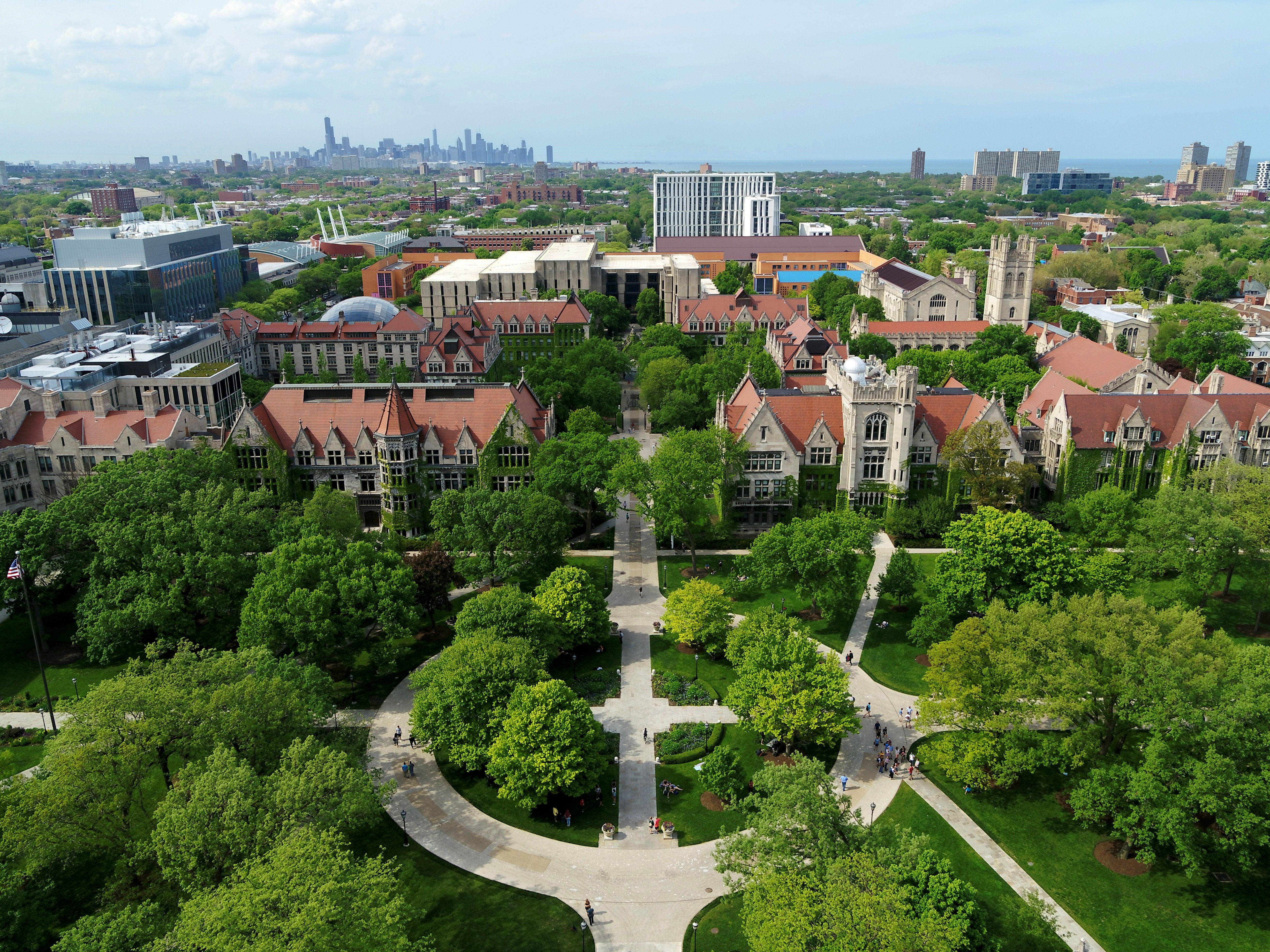
The most intellectually distinctive university in the US. The Core Curriculum is demanding, the culture prizes ideas over polish, and the extended essay prompts are deliberately unusual. Students who aren't drawn to intellectual rigour for its own sake frequently find UChicago the wrong fit.
Each has distinct programme strengths and admissions cultures worth understanding before applying. Tychr profiles cover all of these in detail.
Duke
~7%
Johns Hopkins
~7%
Northwestern
~7%
Georgetown
~15% (SFS)
Rice
~9%
Vanderbilt
~9%
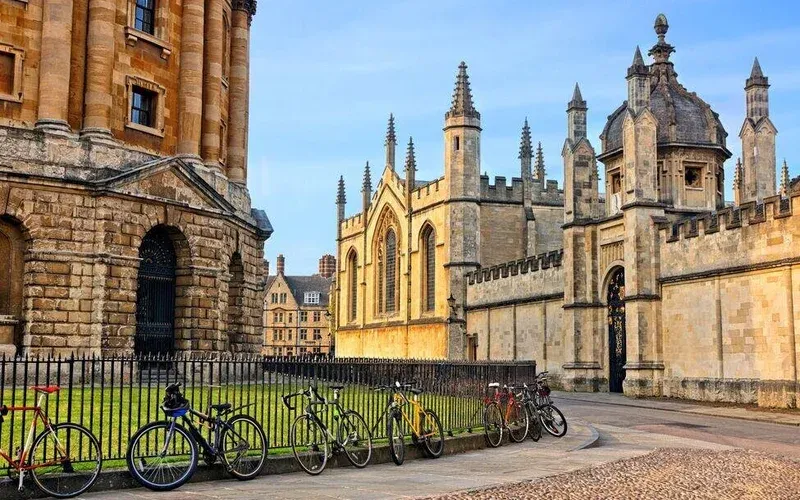
~17% overall / <10% competitive courses
Applies through UCAS. Most courses require an admissions test and a subject interview. Oxford's tutorial system is the most intensive undergraduate teaching model in the UK, students who thrive here are ones who genuinely love their subject and can discuss it deeply under pressure. College choice matters and should be researched.
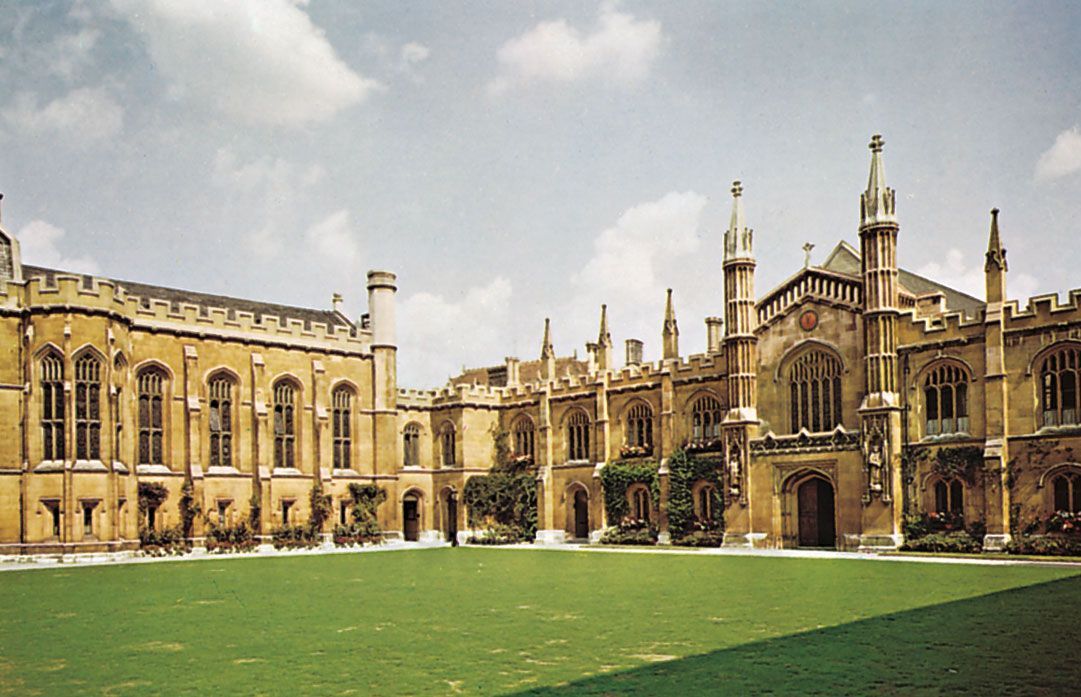
~17% overall
Similar admissions structure to Oxford but with supervisions rather than tutorials and a slightly different academic culture. Cambridge tends to be stronger in sciences and mathematics; Oxford in humanities and social sciences, though both are excellent across disciplines. Written work submission required for some subjects.
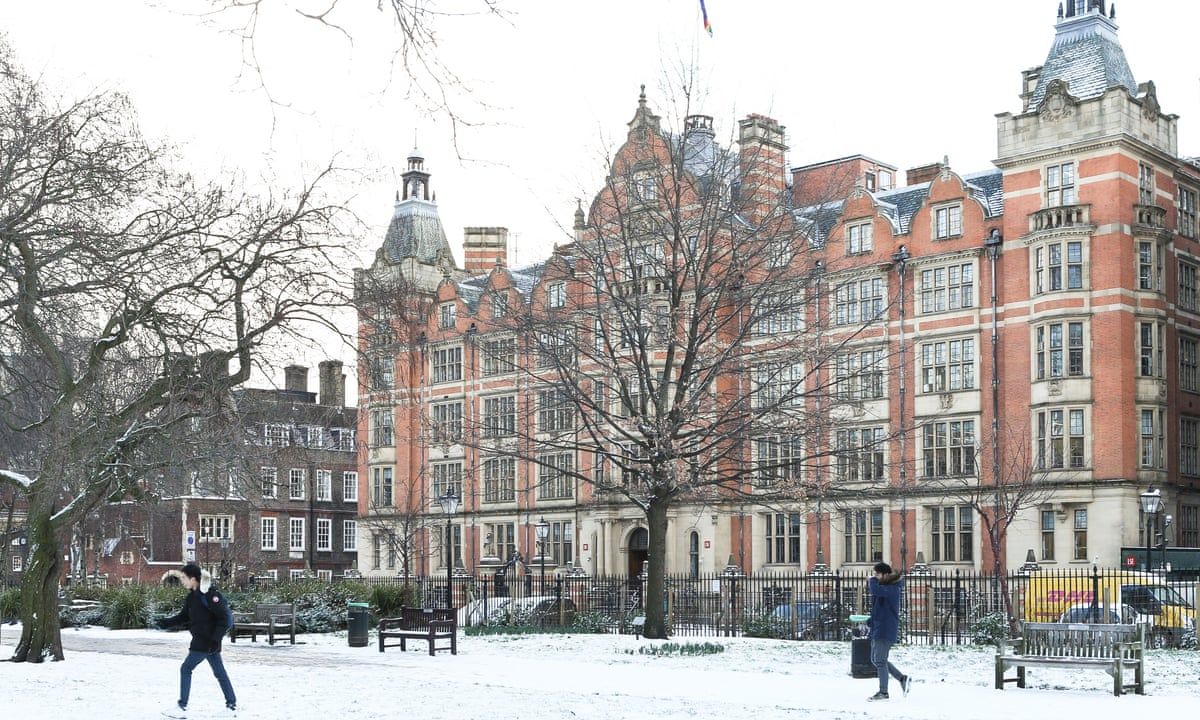
Academic-first admissions
Specialist social science institution. No extracurricular weight in admissions, academic performance in relevant subjects is almost the only criterion. Strong for economics, politics, law, and sociology. London location adds significant career access.

AAA / IB 40+
The UK's leading STEM institution. Requires the strongest academic performance in science subjects, predicted AAA or IB 40+ with strong HL sciences. No arts or humanities programmes.
Each has specific subject strengths and application requirements. Warwick is particularly strong in mathematics, economics, and computer science. Edinburgh is excellent for medicine, law, and arts in a unique city environment.
| School | UCAS Deadline | Typical Offer | Admissions Test? |
|---|---|---|---|
| Oxford | October 15 | AAA / IB 39+ | Yes (subject-specific) |
| Cambridge | October 15 | AAA / IB 40+ | Yes (subject-specific) |
| LSE | January 29 | AAA / IB 38 | No (mostly) |
| Imperial | January 29 | AAA / IB 40 | No |
| UCL | January 29 | AAA–A*AA / IB 36–39 | Varies |
 France
The leading institution for international relations, political science, and social sciences in continental Europe. Highly international student body (~50% international). Competitive oral entrance examination for the Paris campus. English-taught programmes available at regional campuses. Application via Sciences Po's own portal.
 Italy
ItalyItaly's most globally recognised university for business, economics, and law. Large international community. English-taught undergraduate programmes. Selective admissions based on academic record and a standardised test (Bocconi Test). Strong industry connections in European finance and consulting.
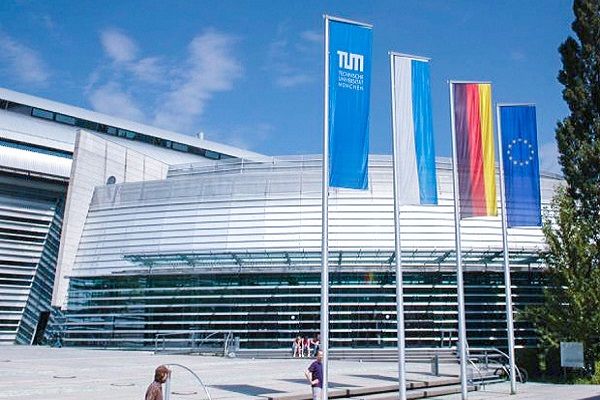 Germany
Germany's top technical university. Low or no tuition fees even for international students. Strong in engineering, computer science, and natural sciences. Admission primarily grade-based, strong IB or A-Level performance in relevant subjects required. Some programmes require German proficiency.
 Netherlands
Unusually international for a European institution (~50% international students). Uses Problem-Based Learning (PBL), a collaborative, discussion-led teaching approach that suits some students significantly better than traditional lecture formats. English-taught programmes across most faculties.
Strong for business and technology. Increasingly competitive in international rankings. Entrepreneurship-oriented culture. Primarily English-taught. Interview-based admissions for some programmes.
Australia's Group of Eight (Go8) universities are internationally ranked institutions with strong research output and a growing reputation for international student experience. Admissions are primarily grade-based, ATAR equivalent calculated from IB, A-Level, or AP results, making the process more straightforward than US or UK holistic admissions.

Australia's highest-ranked university. Uses a unique "Melbourne Model" with broad undergraduate degrees followed by graduate professional programmes. Strong in law, medicine, engineering, and the arts.
Located in Canberra. Particularly strong for politics, international relations, and research-focused disciplines. Direct government and policy connections.
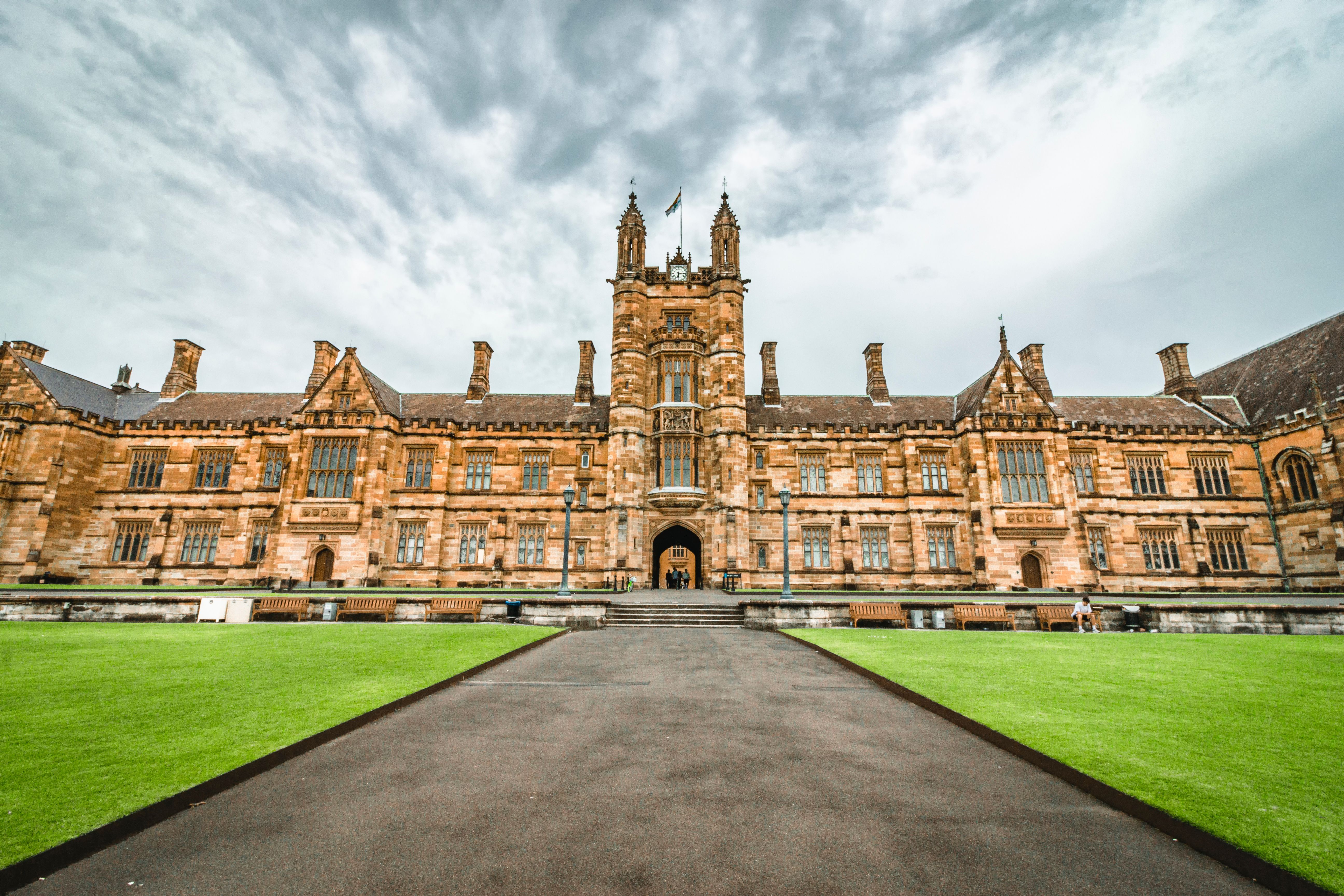
Sydney-based; strong in medicine, law, engineering, and business. Large international student communities.
Sydney-based; strong in medicine, law, engineering, and business. Large international student communities.
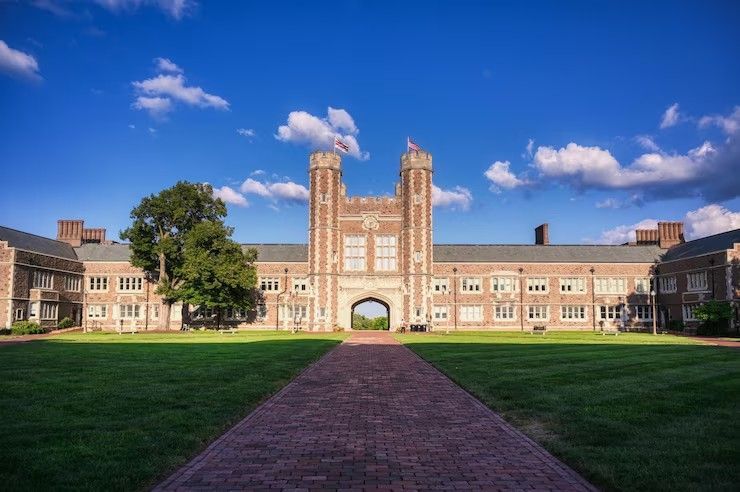
Strong in sciences, pharmacy, and engineering.
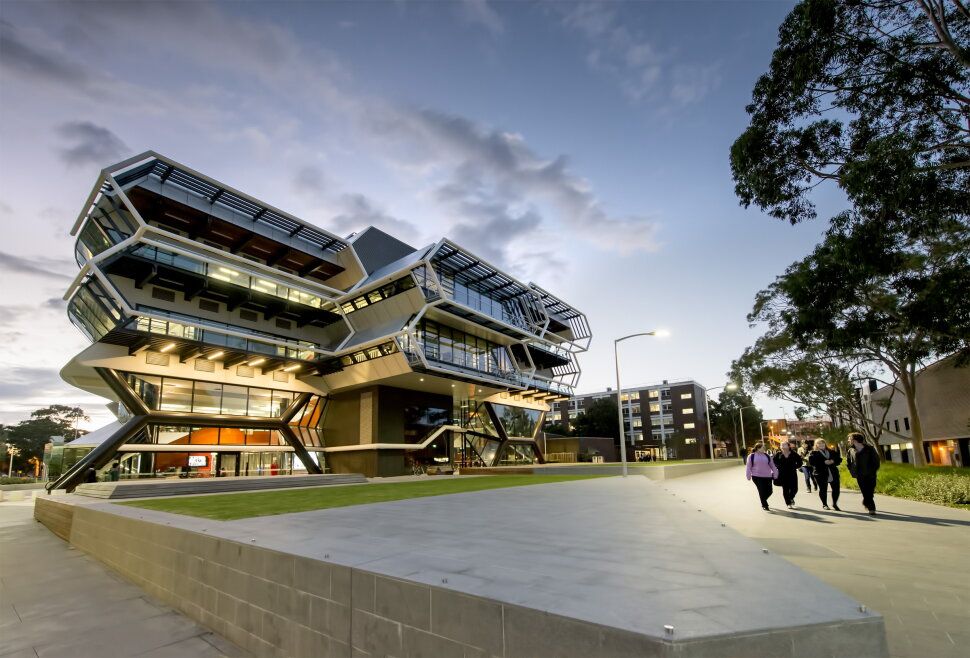
Strong in sciences, pharmacy, and engineering. Significant international presence and campus locations in Malaysia.
University rankings are widely used and widely misunderstood. Before building a school list from any ranking system, it's worth knowing what each one is actually measuring.
Strong for overall international prestige comparison across global institutions.
Research-heavy focus tailored toward postgraduate and scientific research paths.
US-focused metrics designed specifically for domestic undergraduate options.
The academic reputation score is derived from a global survey, making it particularly susceptible to name recognition and lag effects. Excellent for general global visibility.
Alongside programme-specific strength, admissions probability, institutional culture, and the student's genuine personal fit with each school.
Overall acceptance rates mask important variation. International applicants typically face a tighter effective admit rate than the headline figure — especially at schools that are need-aware for international students.
"A 5% admit rate means 95 out of 100 are rejected — even exceptional students."
Understanding the odds is the first step to strategising around them.
| University | Overall Rate | Intl Rate (Est.) | Trend | SAT / Grades |
|---|---|---|---|---|
| Stanford | 3.7% | ~3.1% | Falling | 1550–1590 |
| Harvard | 3.2% | ~2.8% | Falling | 1560–1600 |
| Columbia | 3.9% | ~3.5% | Falling | 1510–1580 |
| MIT | 3.9% | ~3.4% | Stable | 1570–1600 |
| Yale | 4.6% | ~4.0% | Falling | 1520–1580 |
Entry standards vary dramatically by school, country, and year. Test-optional doesn't mean test-neutral — understanding each school's actual expectations is critical for your application strategy.
| University | Status | SAT | ACT | A-Level | IB | Notes |
|---|---|---|---|---|---|---|
| Harvard | Test-Required | 1560–1600 | 35–36 | A*A*A | 42–45 | Test-required as of 2025 cycle |
| MIT | Test-Required | 1570–1600 | 35–36 | A*A*A+ | 42–45 | EA applicants strongly benefit from testing |
| Oxford | N/A (UK) | — | — | A*A*A min | 40–42 | Subject-specific admissions tests (LNAT, MAT, etc.) |
| Stanford | Test-Optional | 1550–1590 | 34–36 | A*AA | 40–44 | REA. Submit if above 75th percentile |
| Yale | Test-Required | 1520–1580 | 34–36 | A*A*A | 40–44 | Reinstated testing requirement 2025 |
| School | Int'l Policy | Meets Full Need? | Loans in Package? |
|---|---|---|---|
| Harvard | Need-blind | Yes | No |
| Princeton | Need-blind | Yes | No |
| MIT | Need-blind | Yes | No |
| Yale | Need-aware | Yes (if admitted) | No |
| Columbia, Penn, Brown, Dartmouth, Cornell | Need-aware | Yes (if admitted) | Sometimes |
| Most other US privates | Need-aware | Partial | Often |
| US public universities | Very limited for internationals | Rarely | N/A |
The key insight: Need-blind schools don't just offer aid, they offer generous aid, often making them cheaper than mid-tier institutions for qualifying families. A family earning $80,000/year typically pays $0 to attend Harvard.
UK universities do not offer merit scholarships in the US sense. Financial support for international students is limited to:
Vary widely, check each institution's international student pages.
Chevening, Commonwealth, primarily postgraduate.
Varies significantly by nationality.
Several EU countries charge low or no tuition fees even for international students (Germany, Norway, Austria for some programmes). This makes European universities particularly compelling for cost-conscious families, though living costs vary significantly by city.
Campus fit is undervalued in the shortlisting process, and then overvalued when students arrive at a university that doesn't suit them. Here's what to consider.
Most Ivy League schools and Oxford/Cambridge offer a fully residential first-year (or multi-year) experience.
This creates a tightly integrated campus community, but also means the campus is your social world. Schools in major cities (Columbia, NYU, LSE, UCL) offer less insular campus life, more city access, and less campus community intensity.
Decide whether you want an immersive campus bubble or direct city integration.
Class sizes and total student population dictate daily peer and professor interactions.
A student who thrives with small seminars and direct faculty access will likely prefer Princeton, Dartmouth, or Oxford's tutorial system over large lecture-based programmes. A student who wants maximum variety of people, clubs, and activities may find Cornell, Columbia, or UCL a better environment.
Match your learning style to direct faculty access versus variety.
Both universities are organised into colleges—semi-autonomous communities of 300–600 students.
You live, eat, and have much of your social life within your college. College choice affects your social experience significantly, though academic quality is consistent across colleges. Researching colleges is part of a good Oxbridge application.
Oxbridge college selection shapes daily lifestyle, housing, and social networks.
Schools vary significantly in how integrated international students are into campus life.
Universities with large international populations (Columbia, UCL, Maastricht) often have more established support systems and more diverse peer communities. Smaller, more homogeneous campuses can be excellent academically but require more effort to build community as an international student.
Evaluate existing international infrastructure and peer diversity.
University reputation varies drastically by field. We align student profiles with world-leading faculties, specialised research labs, and top-tier global institutions.
Missing a single deadline ends your candidacy for that cycle. Most top US universities have November 1 or November 15 early deadlines — start your applications in August at the latest.
| University | Early Decision | Early Action | Regular Decision | Decision Dates | Notes |
|---|---|---|---|---|---|
| Harvard | — | Nov 1 | Jan 1 | Dec 13 / Apr 1 | SCEA (single-choice early action) |
| MIT | — | Nov 1 | Jan 1 | Dec 14 / Mar 22 | EA, no binding commitment |
| Stanford | — | Nov 1 | Jan 2 | Dec 15 / Apr 1 | REA — most restrictive EA |
| Yale | — | Nov 1 | Jan 2 | Dec 17 / Apr 1 | SCEA |
| Columbia | Nov 1 | — | Jan 1 | Dec 15 / Apr 1 | Binding ED |
| Penn | Nov 1 | — | Jan 5 | Dec 15 / Apr 1 | Binding ED |
| Oxford | — | Oct 15 | — | Jan–Mar | UCAS deadline Oct 15. Interviews Nov–Dec |
| Cambridge | — | Oct 15 | — | Jan–Mar | UCAS + SAQ by Oct 22. Interviews Dec |
| Melbourne | — | Nov 30 | Feb 28 | Ongoing | Direct applications via university portal |
Tychr's placement record across featured universities reflects direct, recent admissions experience, not historical data or general knowledge. When we say we've placed students at a school, that means we have current, specific knowledge of what made those applications succeed.
Top-20 university placements
Students guided to offers
Scholarships & aid secured
Countries represented
Deep institutional knowledge across Ivy League core requirements, dual-degree honors programmes, and top tier research universities.
Every university in our placement record is one where Tychr counsellors have direct, current knowledge of the application, what the supplemental essays needed to achieve, how the admissions process unfolded, and what made the difference between admission and rejection. This institutional knowledge is part of what every Tychr student accesses.
Historic Ivy League QuadrangleOxbridge Collegiate Architecture Global Student Academic Community
"Tychr helped me understand what made Edinburg's application different from every other school. My counsellor knew exactly what the AdCom was looking for."

Diya
Edinburgh University
"The university profiles gave me a genuine sense of each campus before I ever visited. I knew Toronto was right for me before I'd even set foot there."

Adaa
University of Toronto
"My counsellor used the profiles to help me see which schools genuinely matched my academic interests — not just my vanity list. That made all the difference."

Gurmehar
Kelly school of Business
Start with 20–25 institutions across all systems you're considering. Use profiles to narrow to a final shortlist of 10–15 (US only) or 5 (UCAS only) or a combination. The initial longlist should cast a wide net; the shortlisting process is where strategic narrowing happens.
No. Global rankings are blunt instruments. A university ranked 80th globally may have the strongest department in your intended field in its country. Some of the best educational experiences for specific students happen outside the top 50. Tychr counsellors regularly recommend schools outside the top 50 QS ranking when they are clearly the right fit for a specific student.
Use virtual tours, student YouTube channels, Reddit communities (r/ApplyingToCollege and university-specific subreddits), and, where possible, speak to current students or alumni. Tychr counsellors also provide culture summaries based on direct student feedback from our placements.
Yes. The profiles are free resources available to all students. For students applying to highly selective universities where nuanced application strategy matters, the profiles provide the research foundation, while counsellors provide strategic guidance on top of that.
In 45 minutes with a senior Tychr counsellor, we'll review your academic profile, walk through 20–30 university profiles together, and emerge with a preliminary shortlist you're genuinely excited about.


No spam. Confidential response within 24 hours.
Tell us where your student is headed. A Tychr counselor will follow up within one business day to map the right path forward.